
The same idea, practiced around the world.
-
Susu
West Africa and the Caribbean
-
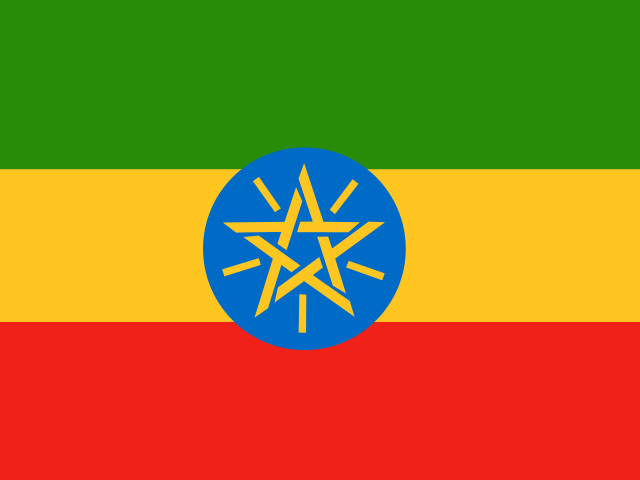
Ekub
Ethiopia
-
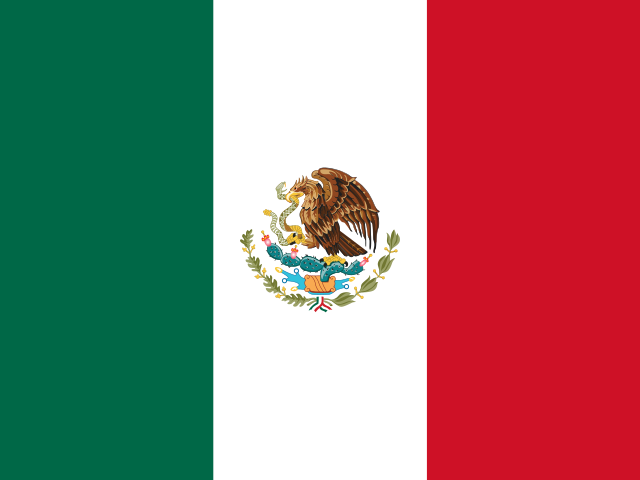
Cundinas
Mexico
-
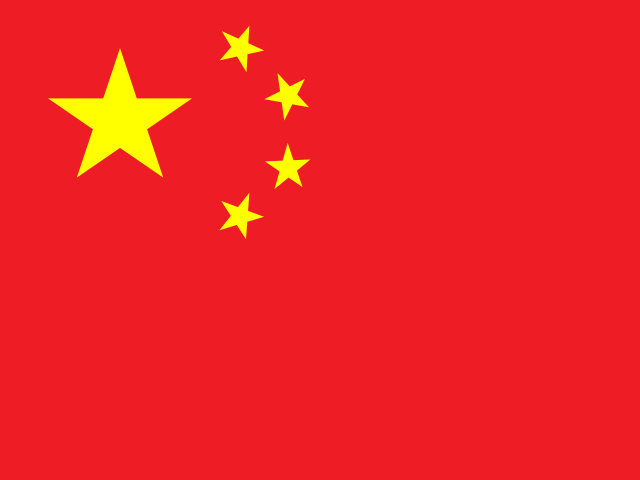
Hui
China
-
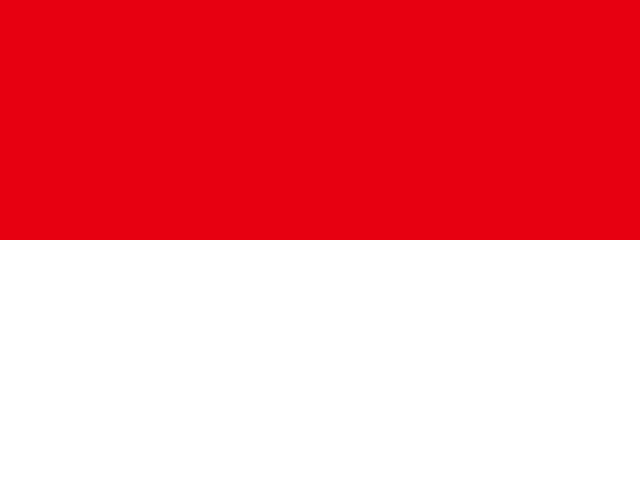
Arisan
Indonesia
-
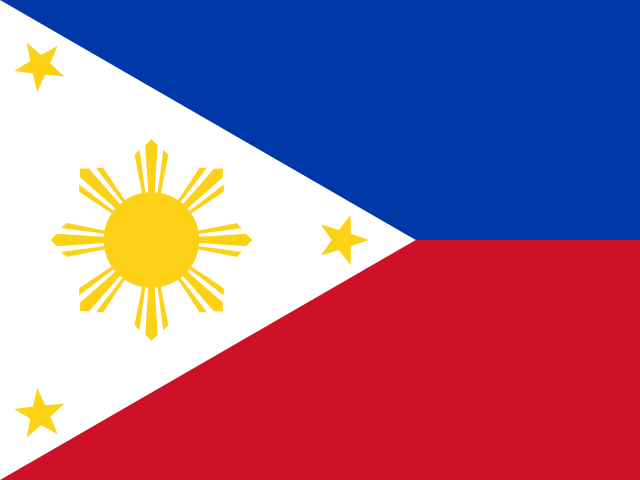
Paluwagan
The Philippines
-
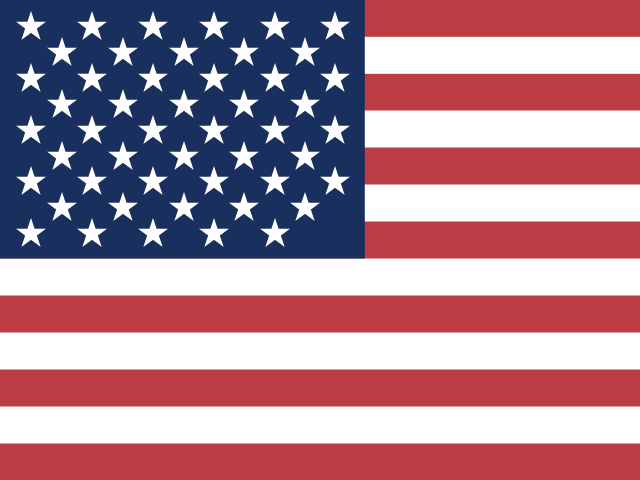
Tandas
US Latino communities
-
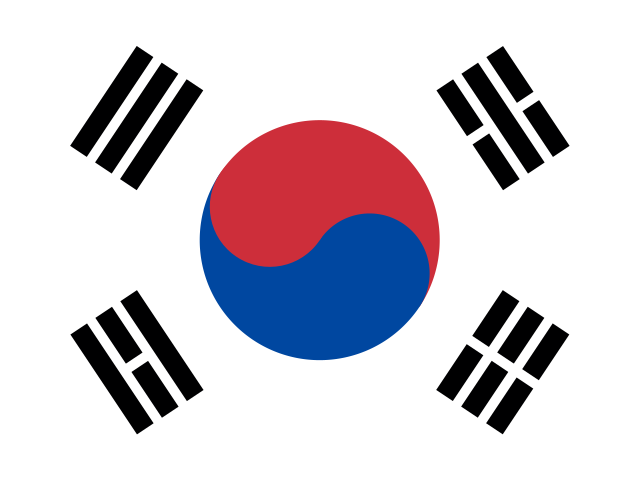
Kye
Korea
-
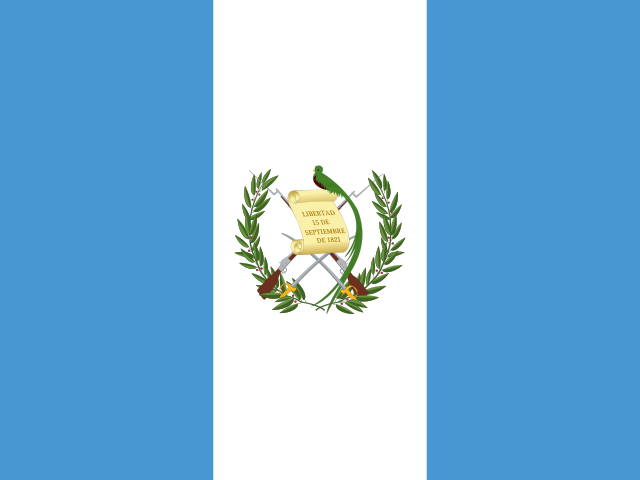
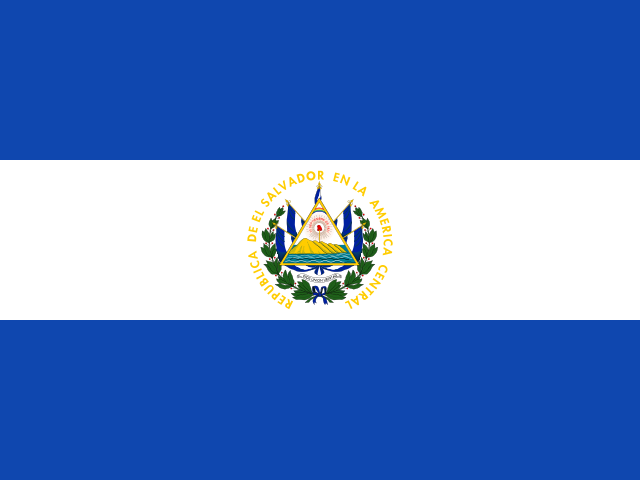
Cuchubal
Guatemala and El Salvador
-
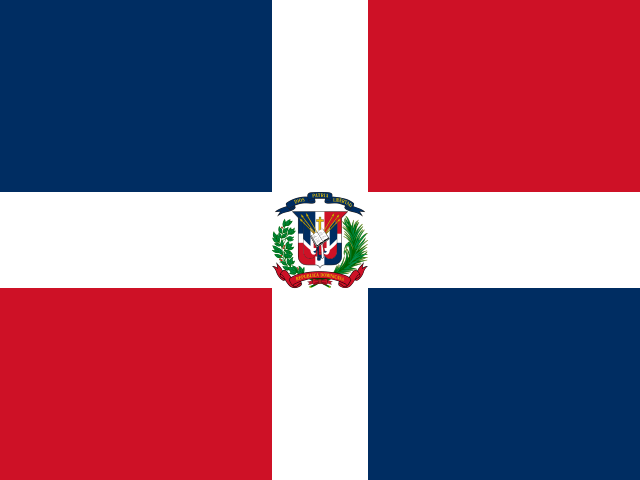
San
Dominican Republic
-
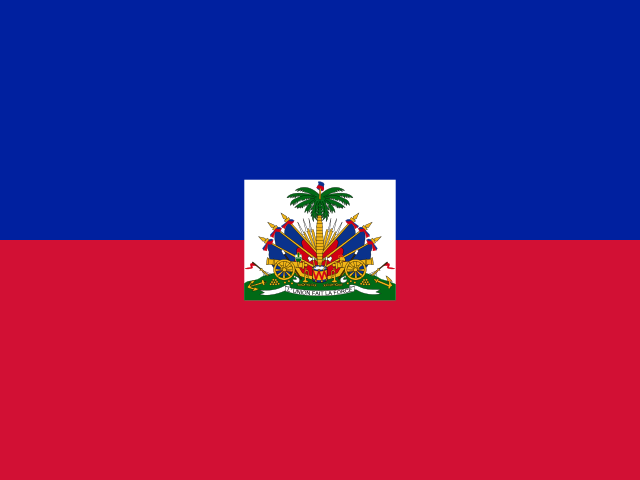
Sòl
Haiti
-
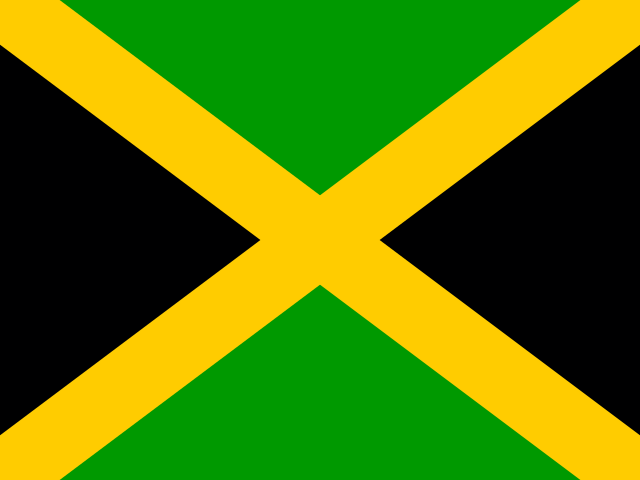
Partner
Jamaica
-
Natillera
Colombia
-
Junta
Peru
-
Pasanaku
Bolivia
-
…and many more
The same tradition, on every continent
We upgraded the envelope
Same trust, with every rule visible to everyone. Contributions, turn order, and payouts live on-chain, where anyone in the circle can check them.

Testnet preview screen · test tokens only, not a live pool
Your circle, when life moves people
Families spread out. A circle used to end when somebody moved away. Now members stay in the same circle from any phone or computer, anywhere Cenkali is available.
- Stay in your circle from any phone or computer, where Cenkali is available
- One shared digital dollar, USDC, so everyone counts in the same units
- Every contribution and payout visible to the whole circle
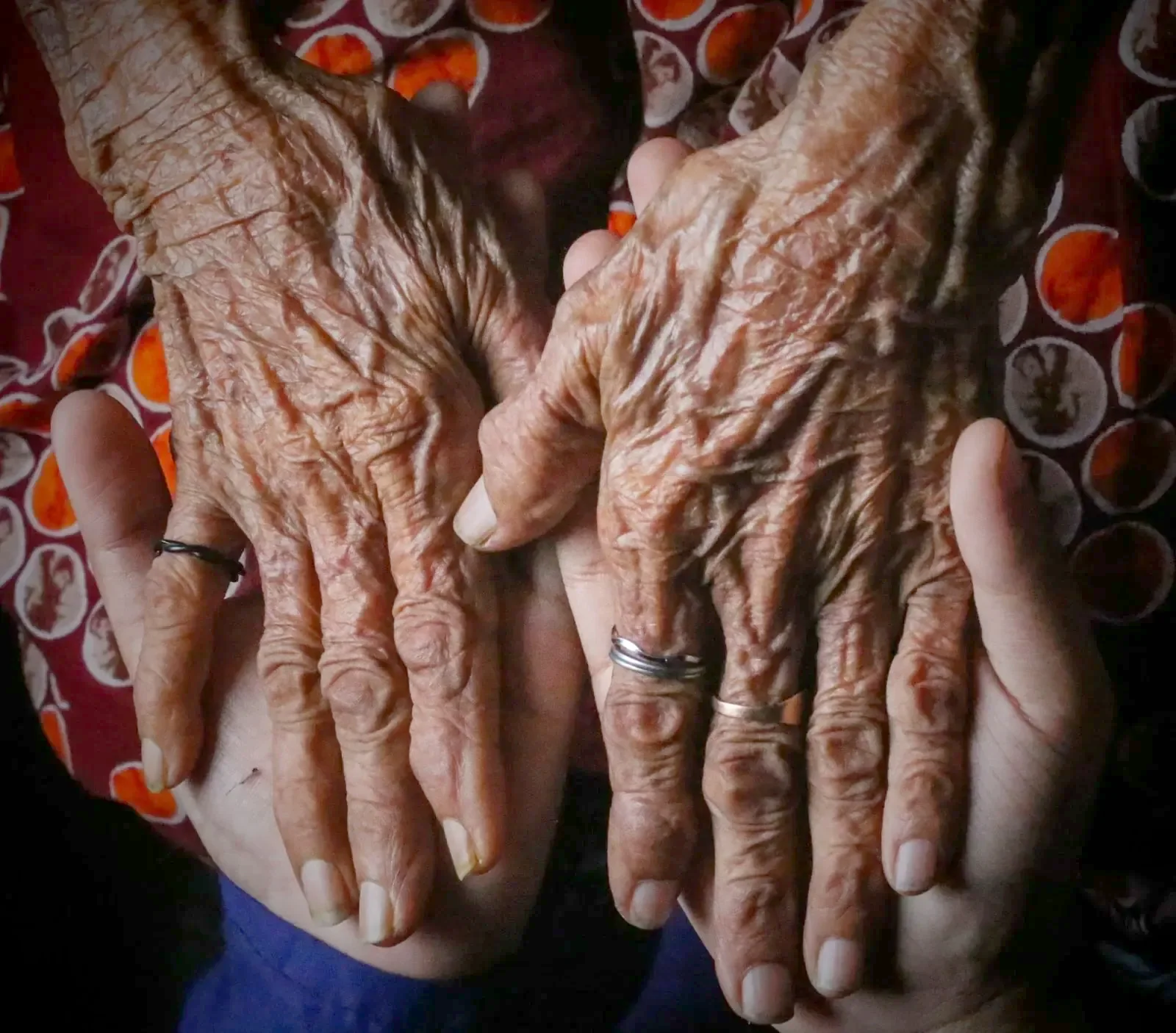
The hands that taught you to save.
Tandas are passed down at kitchen tables, from one generation to the next. Cenkali carries that teaching forward, so the next generation inherits the tradition and the trust.
The idea was never the problem
A tanda has always made sense. What broke it was everything around it: the person holding the cash, the member who stopped paying, the friend who moved away and took her turn with her. Cenkali takes over those three jobs and leaves the rest alone. The pot lives in a public smart contract, a rule-bound reserve can step in when someone misses, and the circle keeps its rhythm no matter how far apart your people live.
Illustration · where the savings-circle tradition is practised, not a map of where Cenkali is available.
The  Name
Name
In honor of August 13, 1521 — 505 years
In atl, in tepetl · the water, the mountain
Nin Cencalli ik tikimilnamiki to cohcolhua akime otekipanoke nin tlaltikpaktle- Mexicas ihuan oksime altepeme- ke amo keman okinxitinihke ihuan nochipa o momalhhuike ken iknime.
Se inmixhui Akin axka kitekipanoa nin tlaltikpaktle okihhuilo ik inahualtlahtol tla oktionkate yehhua amo keman mikiske amo keman tikimilkahuaske
Okintocayotiaya in altepehua “el agua, el cerro- in atl- in tepetl” se Altepetl ihuan non kichikahtoke san se yolotl omochihchi nin amo tikneki tikimilkahuaske tikneki tikyolchikahuaske mayeto ipam altepeme non okyolitoke makiyolchikahuaka can se Cencalli
Español
Este cencalli es para recordar a nuestros antepasados, quienes trabajaron esta tierra- Mexicas y otros pueblos- que nunca los dispersaron y siempre se cuidaron como hermanos.
Un nieto de ellos quien ahora trabaja esta tierra lo escribió con la lengua náhuatl, si aún vivimos ellos nunca morirán, nunca los vamos a olvidar.
Les ponían nombre a sus pueblos “el agua, el cerro” in atl- in tepetl. Un pueblo y los que lo sostienen. Con un corazón se hizo esto, no queremos olvidarlos queremos reforzarlos que estén encima de los pueblos, los que están vivos que lo refuercen en un Cencalli
English
This Cencalli is in memory of our ancestors who worked this land - the Mexica and other peoples - who were never scattered, and who always kept one another as kin.
A grandson of theirs, who works this land today, wrote this in the Nahuatl tongue: while we still live, they shall never die; we shall never forget them.
They named their communities “the water, the mountain” - in atl, in tepetl. A people and those who sustain it. With one heart this was made: not to forget them, but to give them strength - that the living communities may carry it forward, in one Cencalli.
Náhuatl de las comunidades del sur — escrito por un descendiente.
Nahuatl of the southern communities — written by a descendant, kin to those remembered.
Be first to know when circles open
Thanks, we'll be in touch.