
The tradition is the hero
Tandas aren't a primitive version of banking. They're a working institution with centuries of proof. Cenkali's job is to add transparency, never to “fix” the people who built it.

Cenkali doesn't come from a lab or a trend. It comes from a tradition, the tanda, the cundina, the susu, and from one builder in Los Angeles who believes that tradition deserves better tools, not a replacement.
Hundreds of millions of people save the same way their parents did: a group they trust, the same amount from everyone, one member taking the pot each round. It works because of trust, and it has survived every system that ignored it. What it has never had is a shared, verifiable record that no single person can quietly change.
That's the entire idea. Cenkali doesn't reinvent the circle. It gives it a public ledger. The rules live in a smart contract anyone can inspect, payouts rotate on schedule, and a rule-bound reserve inside the contract steps in when someone misses. The tradition is the hero. The technology is the upgrade.
“Elevate the voices of those most impacted. Influence systemic change. Build tangible digital tools the community actually needs.”Anthony's working mandate, across everything he builds
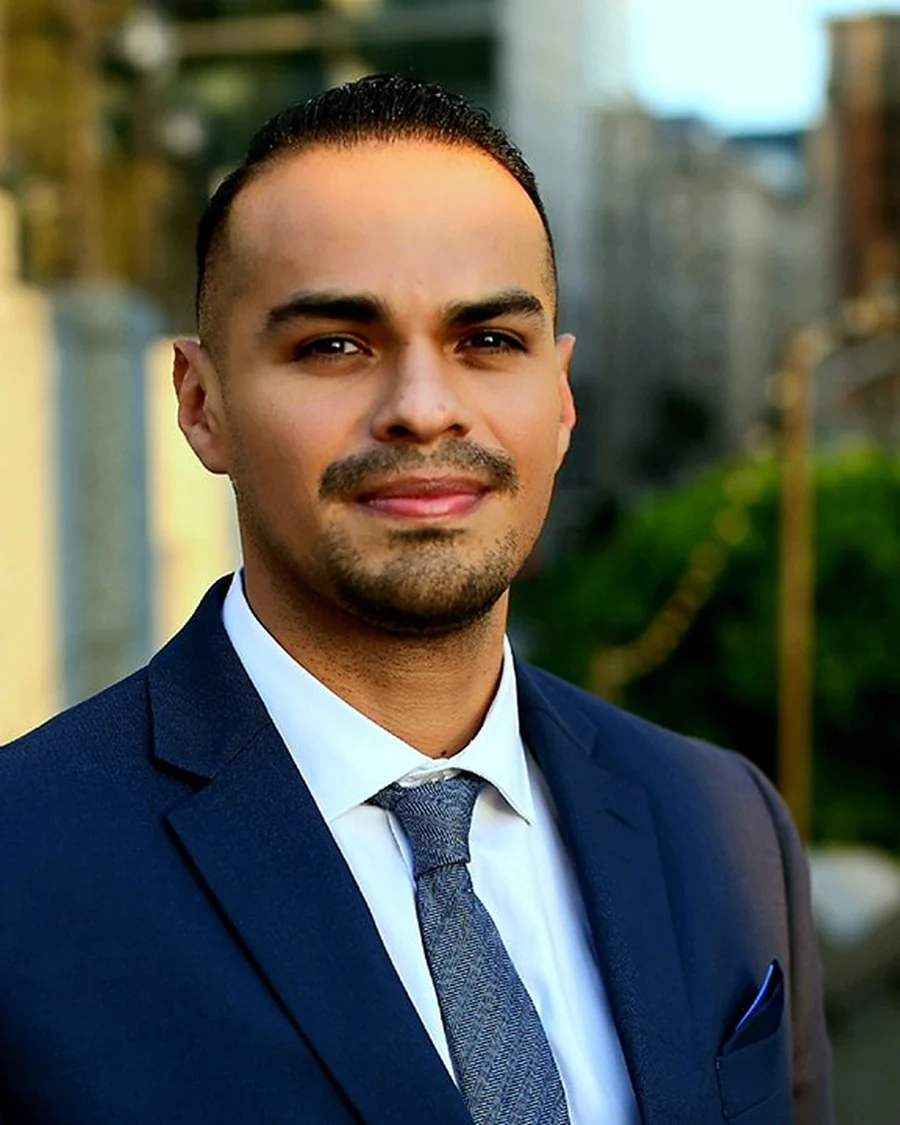
Founder · Los Angeles
Anthony is a civic technologist. By day he leads countywide community strategy in Los Angeles, building policy and digital infrastructure for people that legacy systems routinely leave out. Cenkali applies the same conviction to finance: communities excluded from traditional banking, immigrant and diaspora communities among them, already have a financial institution of their own. It's the circle.
He builds Cenkali solo and in the open: the contracts are public on Base, progress is documented, and nothing is promised before it exists.
Tandas aren't a primitive version of banking. They're a working institution with centuries of proof. Cenkali's job is to add transparency, never to “fix” the people who built it.
Cenkali never holds, manages, or controls member funds. Money moves under the fixed rules of a public smart contract, and the reserve that covers missed payments lives inside that contract, not in a company account.
The contracts are public on Base. Complete circle lifecycles have run on the test network with test tokens, and independent security review plus guidance from counsel come before any real money ever does.
The communities that run tandas speak Spanish and English, so Cenkali does too, in every screen, every invite, and every page of this site. Not a translation pass at the end; a starting requirement.
Before Cenkali had users, it had an acknowledgment. In August 2026, a trilingual dedication in Nahuatl, Spanish, and English was permanently inscribed on Base as a verified smart contract, honoring the ancestral communities of Mesoamerica and the altepetl and calpulli systems through which they pooled resources with collective accountability. It is publicly readable on-chain, and it is the project's ethical anchor: technology in service of enduring community values.
Read the dedication →The testnet preview is live: test tokens only, nothing to install, nothing to risk.